Harmeet Dhillon resigns after reshaping the DOJ Civil Rights Division
David graduated from Franklin & Marshall College and has been a community journalist for over 8 years, previously working at the Lancaster Examiner. He focuses on the heart of Lancaster, covering local events, festivals, and community initiatives.
More from David →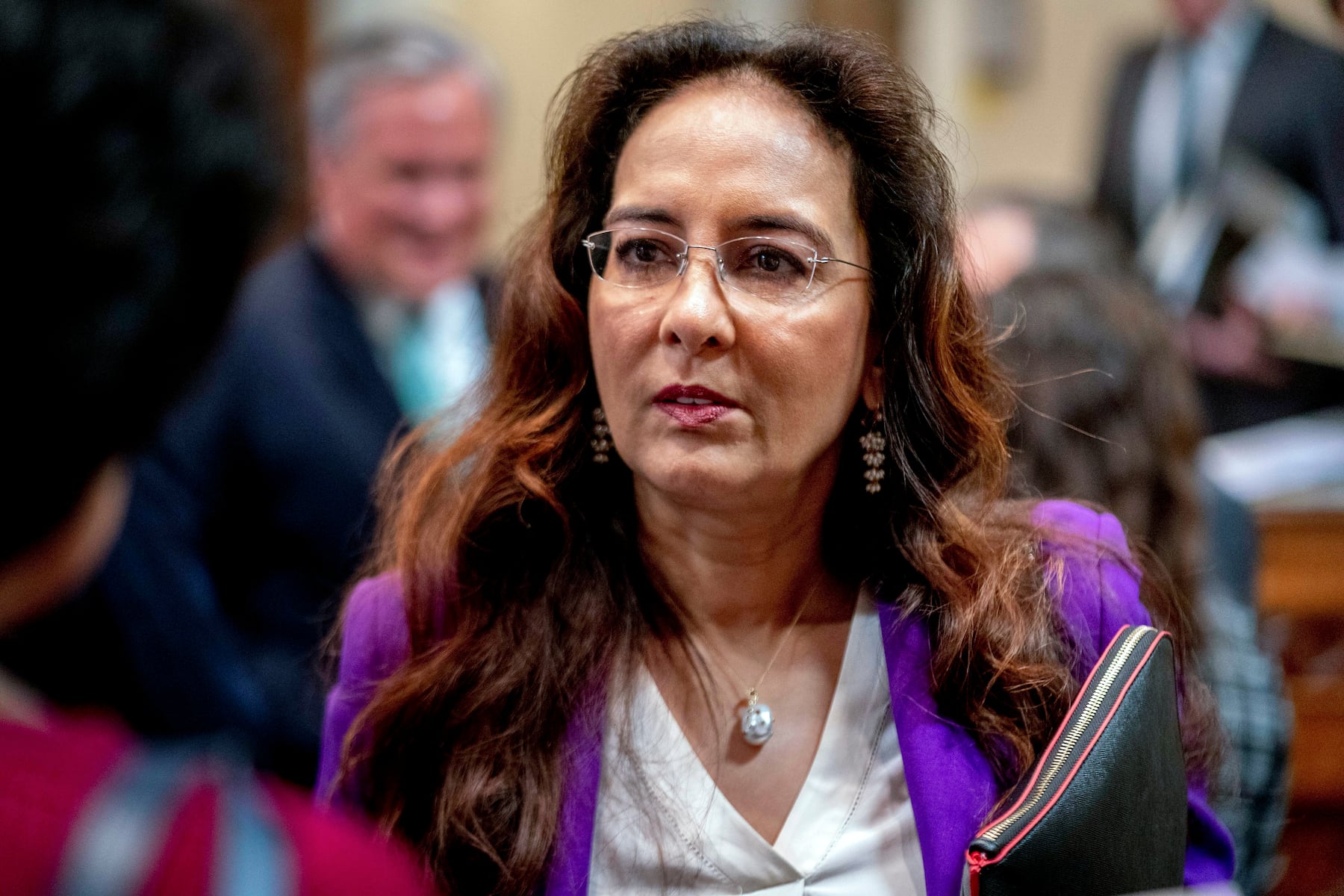
In this story
On a quiet Thursday morning in Lancaster, many residents noticed a ripple of curiosity when news broke that Harmeet Dhillon, a figure known for her bold leadership style, had resigned from her role overseeing the Justice Department’s Civil Rights Division. Her departure marks the end of an 18-month tenure that stirred both support and controversy across the nation—and here at home, Lancaster residents are pondering what this shift might mean for the ongoing fight for genuine justice and community unity.
What Happened
Harmeet Dhillon, a prominent and often divisive figure in legal circles, stepped down from her position as head of the Civil Rights Division of the U.S. Department of Justice. Her resignation was announced by Attorney General Todd Blanche on a clear Thursday, with the department praising her years of public service. Dhillon’s leadership was characterized by sweeping changes aimed at recalibrating the department’s approach to civil rights enforcement, a move that drew both applause from conservatives and sharp criticism from civil rights advocates.
During her tenure, Dhillon pushed for policies emphasizing a more restrained federal role in civil rights issues, advocating for a return to what she called “common-sense” enforcement. Her approach was seen by supporters as a necessary correction to what they viewed as overreach, but critics argued it risked undermining protections for vulnerable communities. Her resignation leaves many questions about the future direction of civil rights enforcement at the federal level, especially as local communities like Lancaster watch closely.
Community Reaction
Back in Lancaster, the news was met with a mix of curiosity and cautious optimism. Local community leaders and residents have long valued the importance of authentic justice rooted in faith, family, and community commitment. Many see Dhillon’s departure as an opportunity for new voices to emerge that better reflect Lancaster’s diverse and faith-driven values.
Voices from Lancaster
Maria Lopez, a community organizer and mother of four, shared her perspective: “Our families thrive when justice is rooted in fairness and truth, not political agendas. I hope her departure means we can focus more on real community needs and less on divisive policies.” Meanwhile, Pastor James Carter of Lancaster’s First Baptist Church emphasized the importance of unity: “We believe in a justice that restores and heals, not one that divides. Our faith calls us to love our neighbors and seek genuine reconciliation.” These heartfelt responses highlight the deep desire for a civil rights approach that upholds the moral fabric of families and communities.
Why It Matters to Lancaster
Lancaster is a city with a rich history rooted in resilience, faith, and community-centered living. Known for its vibrant Amish and Mennonite populations, Lancaster also boasts a growing immigrant community and a diverse array of faith-based organizations that play a vital role in shaping local identity. The city’s social fabric is woven from these various threads, making issues related to justice and civil rights especially poignant here.
For decades, Lancaster has grappled with balancing progress and tradition. The city’s leaders have often emphasized the importance of protecting religious freedoms and supporting families—values that resonate deeply with many residents. The recent national shifts in civil rights enforcement, exemplified by Dhillon’s leadership and now her departure, have sparked local debates about how best to uphold these core principles while ensuring fairness for all citizens.
Local civil rights organizations, faith groups, and community advocates have been closely monitoring federal policies, understanding that changes at the national level can have ripple effects on local initiatives. For example, programs aimed at combating discrimination in housing and employment, or efforts to promote inclusive education, could be impacted depending on the direction of future federal civil rights policies. Lancaster’s community leaders are now calling for a renewed focus on local solutions that reflect their values—solutions that prioritize faith, family, and community cohesion.
People Behind the Change
Harmeet Dhillon’s tenure was marked not only by her policies but also by her personal story. Born in California, she built her reputation as a fierce advocate for conservative legal principles. She is the founder of Dhillon Law Group LLP, a firm known for its staunch conservative stance on legal issues. Her appointment to the Civil Rights Division was seen by many as a signal of a broader ideological shift within the Department of Justice.
Her leadership style was often described as unapologetically direct, sometimes controversial, but undeniably influential. Critics argued that her approach prioritized law-and-order perspectives over the nuanced needs of marginalized communities. Supporters believed she was restoring a sense of balance and restraint to civil rights enforcement.
Now, with her resignation, attention turns to who will step into her role and how they will shape the future of civil rights policy. The Biden administration, which has emphasized a commitment to expanding civil rights protections, is expected to appoint someone whose approach aligns with that vision. Local community figures and elected officials will be watching closely, advocating for policies that uphold their values and protect vulnerable populations.
What’s Next for Lancaster
As the dust settles, Lancaster’s community leaders and residents are eager to chart a course forward. Many are emphasizing the importance of local leadership in shaping civil rights initiatives that reflect their unique needs and values. Faith-based organizations, such as the Lancaster Faith Alliance and local chapters of national groups like the NAACP, are planning forums and town halls to discuss these issues openly.
Pastor James Carter and other faith leaders are organizing community dialogues to explore how faith and justice intersect in their city. These discussions aim to foster unity and develop local strategies that support families, uphold religious freedoms, and promote fairness in employment, housing, and education.
Local government officials are also weighing in. Lancaster City Council members have expressed a desire to strengthen community policing efforts and ensure that civil rights protections are accessible and meaningful for all residents. There’s a push to bolster community outreach programs and to create more platforms for residents to voice their concerns and ideas.
Furthermore, local civil rights advocates are calling for increased collaboration between city agencies and faith organizations to develop initiatives that promote inclusion, equity, and mutual understanding. They see this transition as an opportunity to reinforce Lancaster’s identity as a city rooted in resilience, faith, and community service.
Looking Ahead
The departure of Harmeet Dhillon from the Civil Rights Division signifies more than just a change in personnel—it reflects ongoing debates about the role of government in shaping social justice. For Lancaster, this moment offers a chance to reaffirm its commitment to faith-based principles and community-centered solutions.
Community leaders and residents are optimistic that future policies will respect religious freedoms, support strong families, and promote genuine reconciliation. Lancaster’s story continues to be one of resilience, faith, and hope for a future where justice truly serves everyone. As new leadership takes shape at the federal level, Lancaster’s local voices will remain vigilant, advocating for a civil rights approach that aligns with their core values and strengthens their community bonds.
In the coming months, expect to see increased community engagement, more forums for dialogue, and a renewed focus on local solutions that prioritize faith, family, and community unity. Lancaster’s ongoing journey underscores the importance of staying true to its roots while embracing the future with hope and determination.