Real Estate
In North Philly, an architect’s love letter to Puerto Rican culture has a permanent home
By Leo A. Rodriguez
Advertisement · Why this ad?
Ethan has spent the last decade covering economic trends and developments for the Valley Forge Tribune. He earned his MBA from the Wharton School of the University of Pennsylvania, which has equipped him with a deep understanding of business dynamics. His investigative approach to local businesses sheds light on the challenges and triumphs they face.
More from Ethan →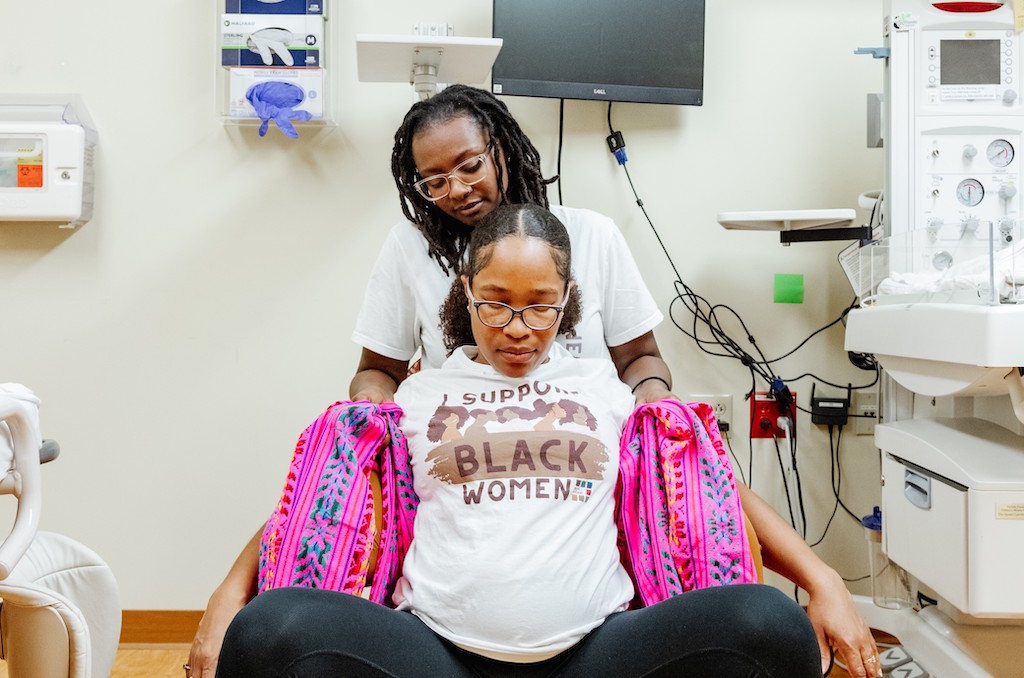
On a crisp autumn morning in King of Prussia, the air buzzes with excitement as families gather for a local health fair. Among the booths, a vibrant display catches the eye — a newly launched program dedicated to empowering expectant mothers through the support of trained doulas. The scene is a testament to Pennsylvania's commitment to maternal health, as the state recently announced the nation’s first-ever apprenticeship program aimed at training doulas to assist families throughout the childbirth journey.
In a groundbreaking move, Pennsylvania has introduced the Pennsylvania Statewide Registered Doula Apprenticeship Program. This initiative seeks to formalize doula training across the state, thereby enhancing the maternal healthcare workforce. Val Arkoosh, Secretary of Pennsylvania’s Department of Health and Human Services, emphasized the importance of doulas as advocates for pregnant women, stating, "Working with a doula connects pregnant women with a skilled advocate and advisor through pregnancy, delivery, and postpartum." This program is designed to ensure that mothers and their babies have a safe and empowering birth experience.
Doulas, who provide non-medical support, play a crucial role in the birthing process. They offer physical, emotional, and informational assistance to families navigating one of life’s most significant events. Gerria Coffee, founder of Genesis Birth Services and president of the Pennsylvania Doula Commission, highlighted that doulas help prepare families, guiding them in asking the right questions and identifying healthcare providers that best suit their needs. This support is invaluable, as it fosters a sense of security and understanding during a transformative time.
The apprenticeship program spans an entire year and combines structured classroom instruction with supervised clinical experience. Participants will engage in eight weeks of online training and a comprehensive 16-module doula school led by certified trainers. Additionally, a two-day in-person training session will equip apprentices with essential skills, including comfort measures and childbirth education. This robust training framework aims to cultivate a new generation of doulas ready to support families throughout Pennsylvania.
The implications of this program extend beyond mere training; they touch the lives of families across the state. Dr. Sharee Livingston, founder of Patients R Waiting, expressed her support for the initiative, stating, "As a physician, I have seen the value of having doulas as part of the care team to help patients feel heard, supported, and empowered throughout their birth experience." By investing in a trained doula workforce, Pennsylvania aims to strengthen its maternal health system and promote equitable birth outcomes for families.
Research indicates that doula support can significantly improve delivery outcomes. Studies show that doulas can reduce the rate of cesarean births by nearly 53%, a statistic that resonates deeply in a state grappling with high maternal mortality rates. Hemorrhage complications, often associated with cesarean births, are among the leading causes of maternal mortality in Pennsylvania. By training more doulas, the state hopes to combat these alarming trends and enhance the overall well-being of mothers and infants.
Moreover, the benefits of doula support extend into the postpartum period. Birthing parents who receive doula assistance are reported to have a nearly 58% lower risk of experiencing postpartum depression. Coffee emphasizes the vital role doulas play after birth, stating, "Once a parent gives birth, the doctors aren’t in the home in postpartum with the families, the doulas are." This continuous support can make all the difference in a family's adjustment to life with a newborn.
One of the program's key features is its potential to address disparities in maternal health care. Doulas who complete the apprenticeship will be certified to receive Medicaid reimbursement for their services. This provision could encourage more practitioners to offer support in lower-income communities and rural areas, where access to quality maternal healthcare is often limited. By bridging these gaps, the program aims to foster healthier families and communities.
Families looking to benefit from doula services in King of Prussia and beyond can find valuable resources through the Pennsylvania Department of Health and Human Services. The apprenticeship program is just one part of a broader effort to enhance maternal health care across the state. As the program unfolds, expectant parents are encouraged to engage with trained doulas to explore their options and receive the support they need.
In addition to doula services, local health fairs and community organizations provide resources for families navigating pregnancy and childbirth. The King of Prussia area boasts several health-focused initiatives aimed at supporting families during this critical time. By leveraging these resources, families can ensure they are well-prepared for the journey ahead.
As Pennsylvania pioneers this doula apprenticeship program, the state sets a precedent for maternal health initiatives nationwide. Patricia Blumenauer, the state’s Labor and Industry Secretary for Workforce Development, noted the program's collaborative nature, stating, "This doula apprenticeship demonstrates the power of collaboration – bringing together community members, health care expertise, and workforce development resources to create a structured career pathway that will benefit both aspiring health care professionals and the families they serve."
In the coming months, training sessions will begin, and the first cohort of apprentices will start their journey. Community workshops will also be organized to raise awareness about the program and its benefits. These workshops will invite local healthcare providers, expectant parents, and community leaders to engage in discussions about the importance of doulas and how they can enhance the birthing experience.
The success of this program could inspire other states to adopt similar initiatives, ultimately leading to improved maternal health outcomes across the country. As the program takes shape, it will be essential for community members, healthcare providers, and policymakers to work together to ensure its effectiveness and sustainability.
Local organizations, such as the King of Prussia Health Coalition, are already gearing up to support the initiative by providing additional resources and outreach efforts. They plan to collaborate with doulas to create informational sessions that highlight the benefits of doula support, particularly among underserved populations. This proactive approach will help ensure that the program reaches those who stand to benefit the most.
In conclusion, the Pennsylvania Statewide Registered Doula Apprenticeship Program represents a significant step forward in supporting families during one of life’s most profound transitions. By equipping doulas with the training and resources they need, Pennsylvania is not only enhancing the maternal healthcare workforce but also fostering a culture of support and empowerment for families. As the program progresses, it will undoubtedly leave a lasting impact on the lives of mothers and children throughout the state.
By Leo A. Rodriguez

By David Thompson

By Angela Lopez

By Eliot Chen